


Introduction
The he-n is one of the most common and useful domestic animals in the world. Known for its egg-laying ability and contribution to poultry farming, a hen plays a vital role in food production and rural economies. Whether you are a farmer, backyard poultry keeper, or just curious, understanding hens can help you care for them better and maximize their productivity.
In this comprehensive guide, we will explore everything about hens—from their breeds and behavior to feeding, housing, and egg production tips.
What is a H-en?
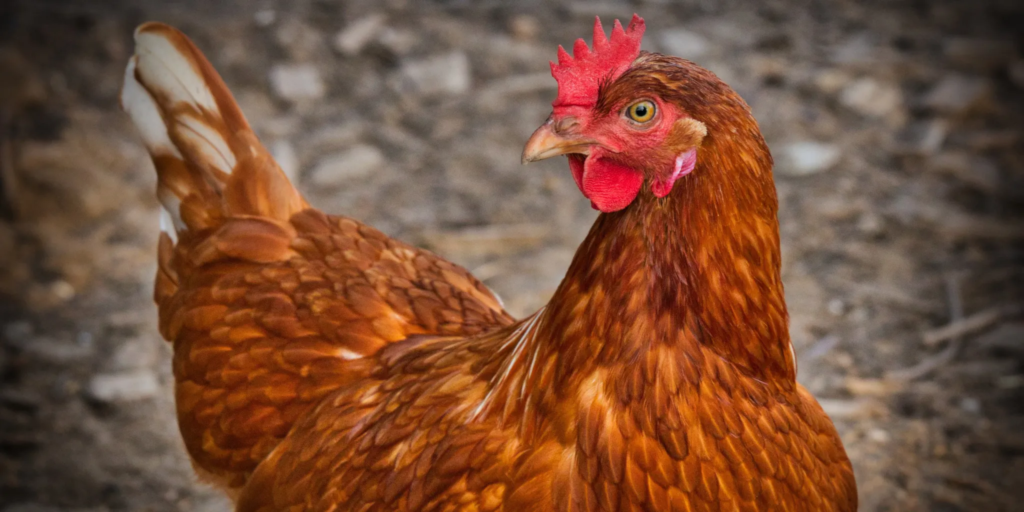
A he-n is an adult female chicken, typically over one year old. Unlike roosters, hens are primarily raised for egg production, although some are also used for meat.
Hens are known for:
- Laying eggs regularly
- Calm and social behavior
- Ability to adapt to different environments
They are an essential part of both small-scale and commercial poultry farming.
Types of He-n Breeds
Different breeds of he-ns are developed for specific purposes such as egg-laying, meat production, or dual-purpose use.
1. Egg-Laying He-n Breeds
Egg-laying he-ns are bred to produce a high number of eggs annually.
Popular egg-laying he-ns include:
- Leghorn
- Rhode Island Red
- Sussex
These he-ns can lay around 250–300 eggs per year under proper care.
2. Dual-Purpose He-n Breeds
A dual-purpose he-n is suitable for both eggs and meat.
Examples:
- Plymouth Rock
- Orpington
- Wyandotte
These he-ns are ideal for small farmers who want balanced productivity.
3. Meat-Producing He-n Breeds
Some he-ns are raised mainly for meat rather than egg production.
Common meat he-ns include:
- Cornish Cross
- Brahma
These he-ns grow quickly and provide high-quality meat.
Physical Characteristics of a He-n
A typical he-n has distinct features that differentiate it from other chickens.
Key characteristics:
- Smaller comb compared to roosters
- Rounded body shape
- Less aggressive behavior
- No loud crowing
Their feathers vary in color depending on the breed, making them visually diverse and attractive.
Behavior and Social Structure of He-ns
He-ns are social animals and live in groups called flocks.
Pecking Order
In every flock, he-ns establish a hierarchy known as the pecking order. This determines:
- Feeding priority
- Sleeping positions
- Social interactions
Understanding this behavior helps reduce stress and conflict in your flock.
Communication
A hen communicates through sounds and body language. For example:
- Clucking when laying eggs
- Warning calls when danger is near
- Soft noises when content
Recognizing these sounds can help you understand your he-ns better.
Housing Requirements for a He-n
Proper housing is essential for the health and productivity of a he-n.
Coop Design
A good chicken coop should provide:
- Protection from predators
- Proper ventilation
- Enough space
Each he-n needs at least 3–4 square feet inside the coop.
Nesting Boxes
A he-n requires a comfortable nesting box to lay eggs.
Guidelines:
- One box for every 3–4 hens
- Soft bedding like straw or wood shavings
- Quiet and dark location
Outdoor Space
He-ns need access to outdoor areas for:
- Exercise
- Natural feeding
- Sunlight
Free-range environments improve overall health and egg quality.
Feeding a He-n Properly
A balanced diet is crucial for a hen to stay healthy and produce eggs efficiently.
Basic Diet Components
A he-n’s diet should include:
- Grains (corn, wheat)
- Protein sources
- Vitamins and minerals
Commercial poultry feed is usually the best option as it is nutritionally balanced.
Supplements
To improve health and egg production, you can add:
- Calcium (for strong eggshells)
- Grit (for digestion)
- Fresh vegetables
Water Requirements
A he-n must always have access to clean and fresh water. Lack of water can quickly reduce egg production and cause health issues.
Egg Production in Hens
Egg production is the primary reason many people raise hens.
When Does a Hen Start Laying?
Most hens begin laying eggs at:
- 5 to 6 months of age
However, this depends on breed and environmental conditions.
Factors Affecting Egg Production
Several factors influence how often a hen lays eggs:
- Nutrition
- Light exposure
- Health
- Breed
Providing 14–16 hours of light daily can significantly improve laying frequency.
How Many Eggs Does a Hen Lay?
On average:
- A healthy hen lays 250–300 eggs per year
However, production decreases as the hen ages.
Health Care for Hens
Keeping your hens healthy is essential for productivity.
Common Diseases in He-ns
Some common health issues include:
- Respiratory infections
- Parasites (mites, lice)
- Egg binding
Regular monitoring helps in early detection and treatment.
Preventive Measures
To keep a he-n healthy:
- Maintain clean living conditions
- Provide balanced nutrition
- Vaccinate when necessary
Signs of a Healthy H-en
A healthy he-n shows:
- Bright eyes
- Clean feathers
- Active behavior
- Consistent egg laying
Benefits of Raising He-ns
Raising he-ns offers multiple advantages.
1. Fresh Eggs
One of the biggest benefits of keeping a he-n is access to fresh, organic eggs.
2. Natural Pest Control
He-ns eat insects and pests, helping maintain a healthy garden.
3. Fertilizer Production
He-n droppings are rich in nutrients and can be used as natural fertilizer.
4. Cost-Effective Farming
A he-n requires relatively low maintenance and provides high returns through eggs and meat.
Common Challenges in Raising He-ns
While raising he-ns is rewarding, it also comes with challenges.
1. Predators
Common predators include:
- Foxes
- Dogs
- Birds of prey
Proper coop security is essential.
2. Weather Conditions
Extreme heat or cold can affect a he-n’s health and egg production.
3. Disease Management
Without proper care, diseases can spread quickly in a flock.
Tips for Beginners Raising a He-n
If you are new to poultry farming, follow these tips:
- Start with 3–5 hens
- Choose hardy breeds
- Keep the coop clean
- Provide balanced feed
- Observe your hens daily
These simple steps can ensure a successful start.
He-n vs Rooster: Key Differences
Many people confuse he-ns with roosters.
| Feature | Hen | Rooster |
|---|---|---|
| Gender | Female | Male |
| Egg Laying | Yes | No |
| Sound | Clucking | Crowing |
| Aggression | Less | More |
Understanding these differences helps in managing your flock effectively.
Lifecycle of a He-n
A he-n goes through several stages in its life.
1. Chick Stage
Newly hatched and requires warmth and care.
2. Pullet Stage
Young female not yet laying eggs.
3. Adult He-n
Begins laying eggs and reaches full maturity.
Economic Importance of a He-n
The he-n plays a crucial role in agriculture and economy.
- Provides affordable protein (eggs and meat)
- Supports rural livelihoods
- Contributes to small and large-scale farming industries
In many countries, poultry farming is a major income source.
Conclusion
The he-n is more than just a simple farm animal—it is a valuable resource that contributes to food production, sustainability, and economic growth. From egg-laying capabilities to natural pest control, he-ns offer numerous benefits.
By understanding their needs, behavior, and proper care techniques, you can ensure a healthy and productive flock. Whether you are raising he-ns for eggs, meat, or as pets, proper management is the key to success.
