

Health problems related to joints and muscles are common today, especially among people who perform repetitive movements or physical work. One condition that is often searched online is bursiter, a term commonly associated with inflammation around joints. Many people use the word bursi-ter when referring to Bursitis, a condition that causes pain, swelling, and limited movement.
Understanding bursi-ter is important because it can affect daily activities, work performance, and overall quality of life. When untreated, the condition may worsen and cause long-term discomfort.
In this comprehensive guide, we will explore everything about bursi-ter, including its causes, symptoms, diagnosis, treatment options, prevention tips, and lifestyle changes that can help manage the condition effectively.
What Is Bursi-ter?
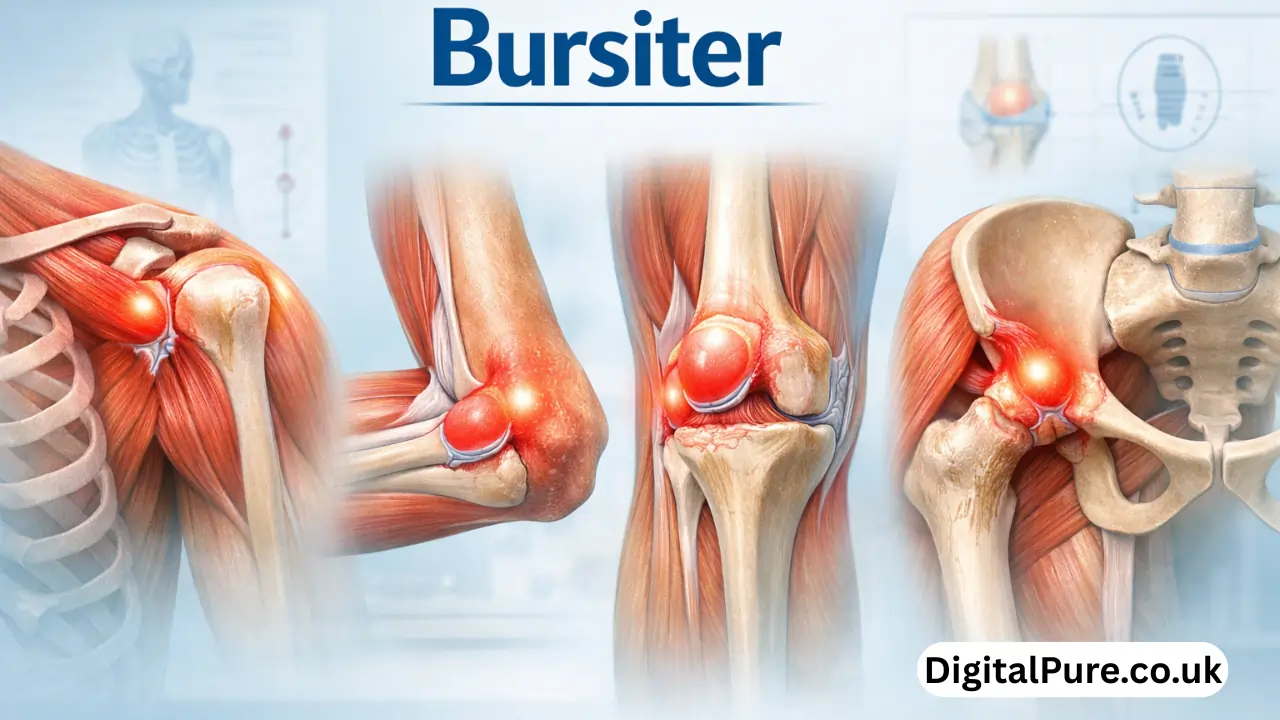
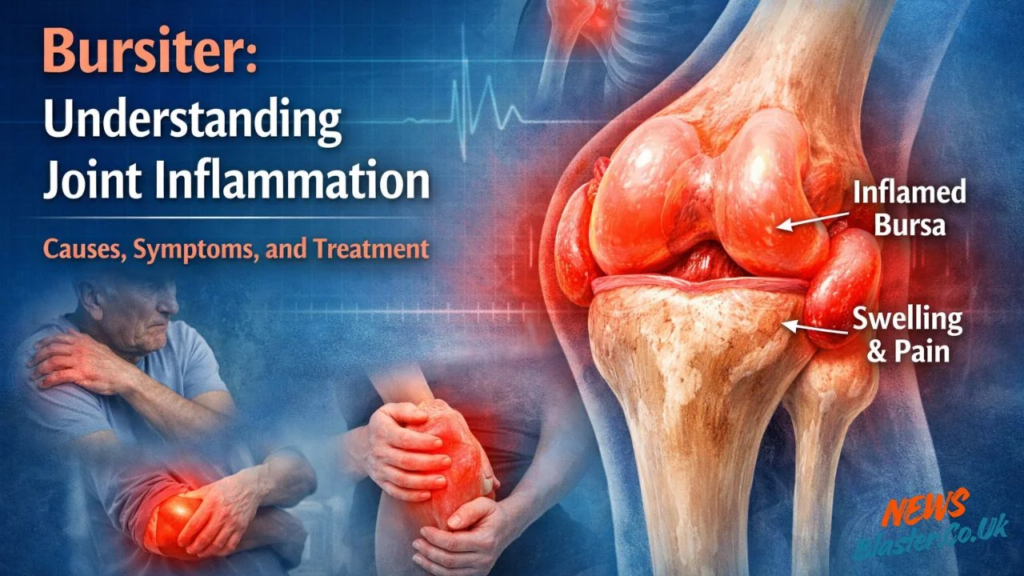
The term bursi-ter is often used online to describe inflammation of the bursae, small fluid-filled sacs located around joints. These sacs act as cushions between bones, tendons, and muscles, helping reduce friction during movement.
When these bursae become inflamed, the condition is medically known as Bursi-tis, which leads to pain and swelling around the affected joint.
People commonly refer to this condition as bursi-ter, especially when searching for information about joint pain or swelling in areas such as:
- Shoulder
- Elbow
- Hip
- Knee
- Heel
The condition can develop gradually or appear suddenly after an injury.
Common Types of Bursi-ter
Different joints in the body can be affected by bursi-ter, depending on lifestyle, occupation, and physical activity. Below are some of the most common types.
Shoulder Bursi-ter
Shoulder bursiter occurs when the bursae in the shoulder joint become inflamed. This type is common among athletes, painters, carpenters, and people who frequently lift their arms.
Symptoms may include:
- Pain when raising the arm
- Shoulder stiffness
- Swelling around the joint
Elbow Bursi-ter
Elbow bursi-ter affects the bursa located at the tip of the elbow. It is sometimes called “student’s elbow” because resting elbows on hard surfaces can trigger the condition.
Common symptoms include:
- Visible swelling on the elbow
- Pain when bending the arm
- Redness and warmth
Hip Bursi-ter
Hip bursiter causes pain on the outer side of the hip and is often experienced by runners or older adults.
Symptoms may include:
- Pain while walking or climbing stairs
- Tenderness around the hip
- Discomfort while sleeping on one side
Knee Bursi-ter
Knee bursi-ter usually occurs in people who kneel frequently, such as gardeners, plumbers, and construction workers.
Symptoms include:
- Knee swelling
- Pain while bending
- Difficulty kneeling
Causes of Bursi-ter
There are several factors that may lead to bursi-ter. Understanding these causes can help individuals reduce their risk.
Repetitive Movements
Performing the same movements repeatedly can irritate the bursae. Activities such as lifting, throwing, or kneeling may contribute to bursiter.
Injury or Trauma
A sudden injury or fall can inflame the bursae, leading to bursiter symptoms.
Poor Posture
Incorrect posture during work or physical activities can place stress on joints, increasing the risk of bursiter.
Age
Older adults are more likely to develop bursiter because tendons and joints become weaker with age.
Infections
In some cases, bacteria can infect the bursae, causing a more serious form of bursiter.
Symptoms of Bursiter
Recognizing the symptoms of bursiter early can help individuals seek treatment before the condition worsens.
Common symptoms include:
- Joint pain
- Swelling around the joint
- Redness and warmth
- Limited range of motion
- Tenderness when touching the area
Pain may increase during movement or after prolonged activity.
In severe cases, bursiter may cause difficulty performing simple daily tasks such as walking, lifting objects, or climbing stairs.
Risk Factors for Bursiter
Certain lifestyle habits and medical conditions increase the chances of developing bursiter.
Occupational Risks
People in the following professions may face a higher risk:
- Construction workers
- Athletes
- Mechanics
- Gardeners
- Painters
Medical Conditions
Some health conditions may also contribute to bursiter, including:
- Arthritis
- Diabetes
- Joint disorders
Physical Activity
High-impact sports or intense physical activity may lead to joint stress and bursiter.
How Bursiter Is Diagnosed
Doctors usually diagnose bursiter through a combination of physical examination and medical tests.
Physical Examination
A healthcare professional may examine the affected joint to check for swelling, tenderness, and movement limitations.
Imaging Tests
Doctors may recommend imaging tests such as:
- X-rays
- Ultrasound
- MRI scans
These tests help confirm bursiter and rule out other joint conditions.
Fluid Testing
If infection is suspected, doctors may remove a small amount of fluid from the bursa to analyze it in a laboratory.
Treatment Options for Bursiter
Treatment for bursiter depends on the severity of the condition and its underlying cause.
Rest and Activity Modification
One of the most effective ways to treat bursiter is to rest the affected joint and avoid movements that cause pain.
Reducing physical strain allows the inflamed bursa to heal naturally.
Ice Therapy
Applying ice packs to the affected area may reduce swelling and relieve pain.
Ice therapy is usually recommended for 15–20 minutes several times per day.
Medications
Doctors may prescribe medications to manage bursiter symptoms, including:
- Anti-inflammatory drugs
- Pain relievers
- Antibiotics (if infection is present)
Physical Therapy
Physical therapy exercises help strengthen muscles around the joint and improve flexibility.
This therapy can prevent future bursiter episodes.
Injections
In severe cases, doctors may use corticosteroid injections to reduce inflammation in the bursa.
Surgery
Surgery is rarely required but may be recommended if bursiter does not respond to other treatments.
Home Remedies for Bursiter
Many mild cases of bursiter can be managed with simple home remedies.
Rest the Joint
Avoid activities that worsen pain.
Use Ice Packs
Ice helps reduce inflammation.
Elevate the Affected Area
Keeping the joint elevated may reduce swelling.
Gentle Stretching
Light stretching exercises can improve joint mobility.
Preventing Bursi-ter
Prevention is important for people who are at risk of developing bursi-ter.
Maintain Good Posture
Proper posture reduces stress on joints.
Use Protective Equipment
Knee pads or elbow pads may protect joints during physical work.
Take Breaks
Frequent breaks during repetitive tasks can prevent bursiter.
Exercise Regularly
Strengthening muscles helps support joints and reduces strain.
Lifestyle Changes for Managing Bursiter
People who experience recurring bursi-ter should consider making lifestyle adjustments.
Maintain a Healthy Weight
Excess weight places additional stress on joints.
Stay Physically Active
Low-impact exercises such as swimming or walking help maintain joint flexibility.
Improve Ergonomics
Adjusting workplace setups can prevent joint strain.
When to See a Doctor for Bursi-ter
While mild cases of bursi-ter may improve with home care, medical attention is necessary if:
- Pain becomes severe
- Swelling increases
- Fever develops
- Joint movement becomes extremely limited
Prompt treatment can prevent complications and ensure faster recovery.
Long-Term Outlook for Bursi-ter
Most people with bursi-ter recover successfully with proper treatment and lifestyle changes.
Recovery time varies depending on the severity of inflammation and the affected joint.
With early diagnosis and consistent care, many individuals can return to normal activities without long-term complications.
Conclusion
Bursi-ter is a condition that causes inflammation around joints, leading to pain, swelling, and limited movement. Although often associated with Bursi-tis, the term bursiter is commonly used by people searching for information about this joint condition.
Understanding the causes, symptoms, and treatment options for bursi-ter can help individuals manage the condition effectively and prevent future episodes.
By adopting healthy lifestyle habits, maintaining good posture, and seeking medical advice when necessary, people can protect their joints and enjoy a more active, pain-free life.
