
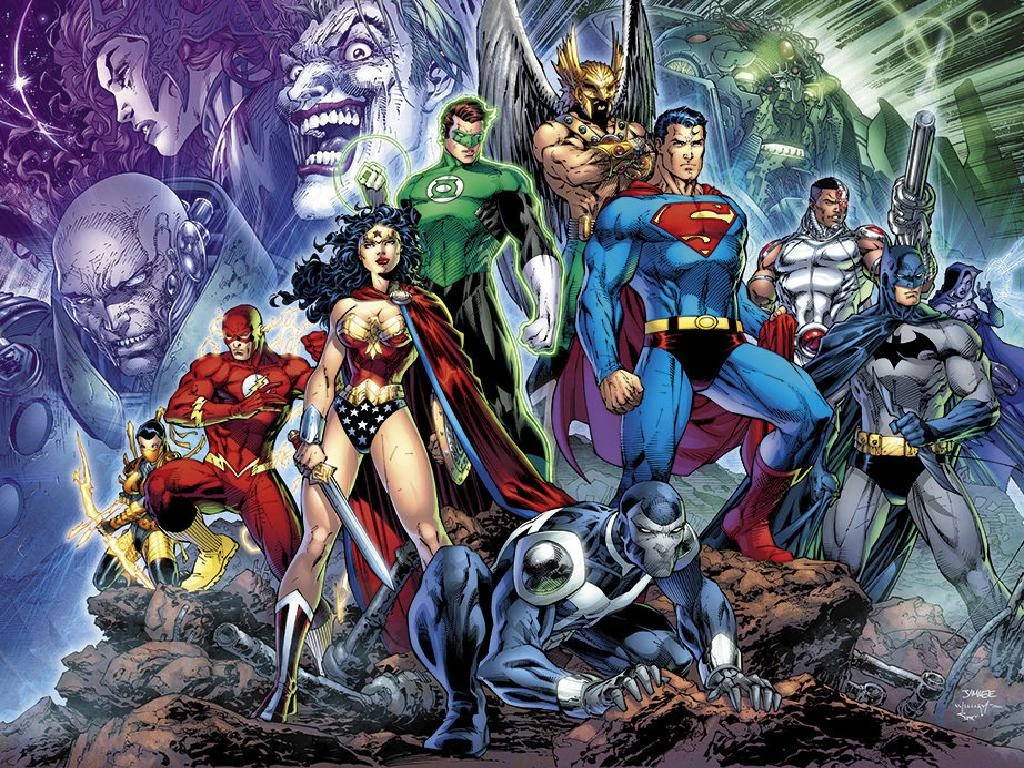

The world of DC Comics characters is one of the most expansive and influential universes in entertainment history. For more than eight decades, DC has introduced readers to legendary superheroes, unforgettable villains, powerful anti-heroes, and complex supporting figures who have shaped pop culture worldwide. From the streets of Gotham City to the distant planet of Krypton, these characters continue to inspire movies, TV shows, video games, and comic book storylines.
Origins of DC Comics Character
The history of DC Comics characters begins in 1934 with the founding of DC Comics. Originally known as National Allied Publications, the company revolutionized storytelling during the Golden Age of Comics.
The debut of Superman in Action Comics #1 (1938) marked the birth of the superhero genre. Soon after, Batman and Wonder Woman joined the lineup, forming the foundation of what would later become the DC Univers
Over the decades, the publisher expanded its roster, introducing cosmic guardians, speedsters, Atlantean kings, and intergalactic peacekeepers. These figures defined multiple comic book eras—Golden Age, Silver Age, Bronze Age, and Modern Age—each contributing to the richness of DC storytelling.
Most Popular DC Comics Characters of All Time
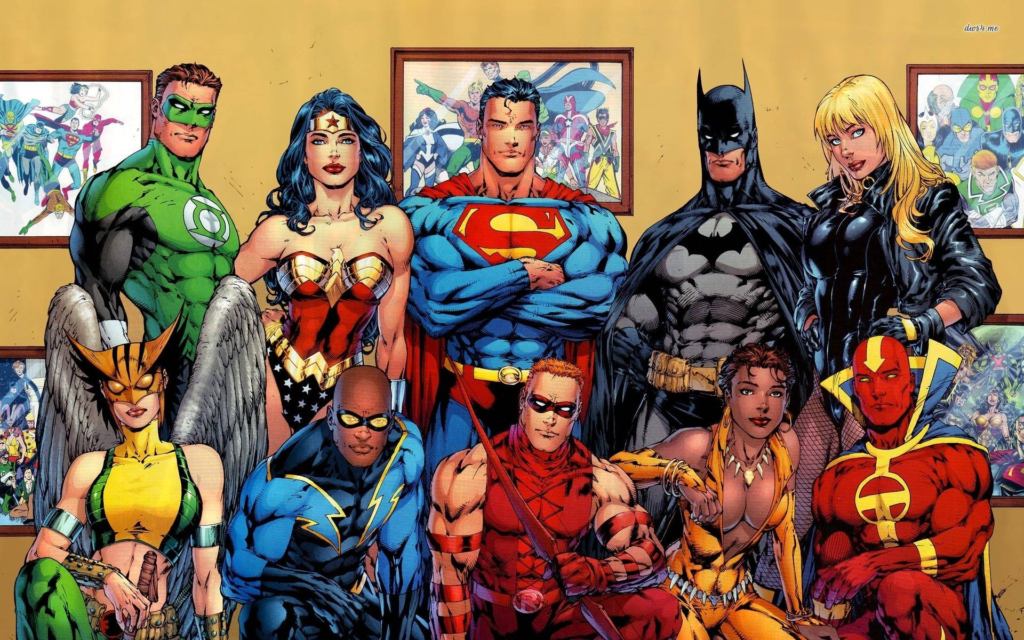
When discussing the most influential DC Comics characters, certain names consistently stand out due to their global recognition and lasting appeal.
Superman – The Man of Ste
Superman represents hope, truth, and justice. Created by Jerry Siegel and Joe Shuster, Superman is an alien from Krypton raised on Earth as Clark Kent. His powers—flight, super strength, heat vision, and invulnerability—make him one of the most powerful superheroes ever created.
Superman’s stories often explore morality, responsibility, and what it means to be human despite godlike abilities.
Batman – The Dark Knight
Batman differs from many superheroes because he has no superpowers. Instead, Bruce Wayne relies on intelligence, physical training, technology, and determination. His home, Gotham City, serves as a dark and gritty backdrop for his crime-fighting adventures.
Batman’s psychological depth and complex villains have made him one of the most adapted characters in film and television
Wonder Woman – Amazonian Warrior
Wonder Woman stands as a symbol of strength and equality. As Princess Diana of Themyscira, she combines warrior skills with compassion. Her presence among DC Comics characters represents empowerment and leadership.
Justice League and Team-Based DC Comics Characters
Team dynamics have played a major role in shaping the DC Universe. The formation of the Justice League united Earth’s greatest heroes against global and cosmic threats.
Core members often includ
- Superman
- Batman
- Wonder Woman
- The Flash
- Aquaman
- Green Lantern
Each member brings unique abilities, personalities, and moral perspectives, creating dynamic storytelling opportunities.
Other notable teams include:
- Teen Titans
- Suicide Squad
- Justice Society of America
Team-based storytelling allows DC Comics characters to evolve through relationships, conflicts, and alliances.
Iconic Villains Among DC Comics Character
No superhero universe is complete without powerful adversaries. Some of the most memorable DC Comics characters are villains who challenge heroes physically and psychologically.
The Joke
Joker is arguably the most famous comic book villain ever created. As Batman’s arch-enemy, he represents chaos and unpredictability.
Lex Luthor
Lex Luthor is a genius billionaire industrialist who views Superman as a threat to humanity. His rivalry with the Man of Steel centers on ideology as much as power.
Darksei
Darkseid is a cosmic tyrant seeking control of the Anti-Life Equation. His presence elevates storylines to universal stakes.
These villains prove that DC storytelling thrives not only on heroes but on morally complex antagonists
Evolution of DC Comics Characters Through Reboots
One defining feature of DC storytelling is its willingness to reinvent itself. Over the years, several major continuity resets have reshaped the narrative universe.
Crisis on Infinite Earths
Crisis on Infinite Earths streamlined decades of continuity into a unified timeline.
The New 52
The New 52 reintroduced core characters with updated origins and modern themes.
Rebirt
DC Rebirth restored legacy elements while maintaining fresh storytelling.
These events demonstrate how DC Comics characters remain relevant by adapting to changing audiences.
Female DC Comics Characters and Representation
Representation has become increasingly important in modern storytelling. DC has expanded its roster of powerful female figures, including:
- Batgirl
- Harley Quinn
- Supergirl
- Zatanna
These characters reflect evolving social narratives and broaden audience engagement.
Anti-Heroes in DC Comics Characters
Not all DC figures fit neatly into hero or villain categories. Anti-heroes add moral complexity.
- Catwoman
- Deathstroke
- Constantine
Their motivations blur ethical boundaries, enriching the narrative landscape.
DC Comics Characters in Movies and Televisio
The cinematic adaptation of DC Comics characters has significantly expanded their global reach.
Major films include:
The launch of the DC Extended Universe further interconnected these stories on screen.
Television adaptations such as The Flash and Arrow introduced characters to new audiences.
Cultural Impact of DC Comics Character
Few fictional universes have shaped modern mythology like DC. These characters symbolize hope, justice, fear, ambition, redemption, and sacrifice. They influence fashion, merchandise, literature, and digital media
The iconic “S” shield of Superman and the Bat-symbol of Batman are instantly recognizable worldwide. DC’s storytelling has become part of global culture.
Why DC Comics Characters Remain Relevant Today
The continued success of DC lies in its adaptability. Writers reinterpret origin stories, explore darker themes, and embrace diversity. Story arcs increasingly tackle real-world issues such as identity, corruption, environmental threats, and moral ambiguity.
New generations discover these heroes through streaming platforms, animated films, and video games, ensuring longevity.
Conclusion: The Enduring Legacy of DC Comics Characters
The universe of DC Comics characters represents more than just superheroes in colorful costumes. It is a dynamic mythological framework that evolves with society while preserving timeless values.
From Superman’s optimism to Batman’s resilience, from the unity of the Justice League to the chaos of Joker, these figures continue to inspire audiences around the world.
As long as stories are told about courage, justice, and humanity’s struggle between light and darkness, DC’s legendary roster will remain central to popular culture
