
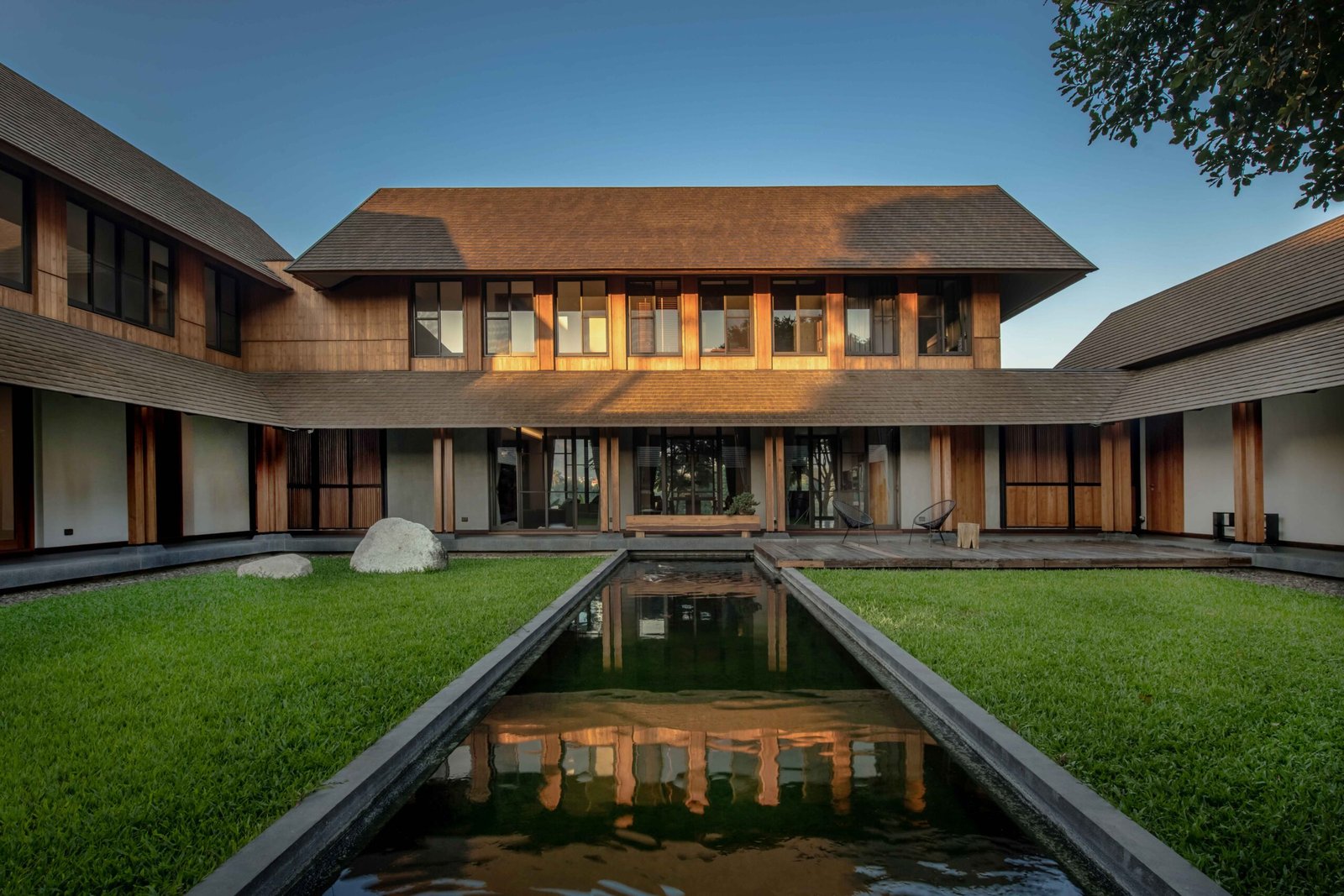

The concept of Gen-house has recently gained attention in discussions about modern housing, smart homes, and sustainable living. As technology continues to transform the way people live, the idea of a Gen-house represents a new generation of homes designed for efficiency, comfort, and innovation.
A Gen-house combines modern architecture, advanced technology, and eco-friendly design to create living spaces that are both practical and future-ready. These homes often integrate smart systems, energy-efficient features, and sustainable materials to meet the needs of modern families.
In this comprehensive guide, we will explore everything about Genhouse, including its meaning, features, benefits, technologies, and how it represents the future of housing.
What Is Gen-house?
The term Gen-house is often used to describe a “generation house” or next-generation home designed to meet the lifestyle demands of modern society.
A Genhouse typically includes:
- Smart home technology
- Energy-efficient systems
- Sustainable building materials
- Flexible living spaces
- Advanced security systems
These homes focus on comfort, convenience, and environmental responsibility.
Many Gen-house designs also incorporate technology from companies like Google and Amazon through smart home assistants such as Google Nest and Amazon Alexa.
The Evolution of Gen-house Concepts
The idea behind Gen-house has evolved as housing technology improved over time.
Traditional homes were designed primarily for shelter and basic comfort. However, modern homes must adapt to new lifestyles that include remote work, digital connectivity, and environmental awareness.
A Genhouse represents the evolution of housing by combining architecture, technology, and sustainability into one integrated living experience.
As urban populations grow and environmental concerns increase, the Gen-house concept is becoming increasingly important in modern housing development.
Key Features of a Gen-house
Several unique features define what makes a home a Gen-house.
Smart Technology in Gen-house
Smart technology plays a major role in a Gen-house. Devices connected through the internet allow homeowners to control lighting, heating, security, and appliances remotely.
Common smart technologies include:
- Smart lighting systems
- Voice-controlled assistants
- Smart thermostats
- Automated door locks
- Video doorbells
These technologies improve convenience and energy efficiency.
Energy Efficiency in Gen-house
Energy efficiency is one of the most important aspects of a Gen-house.
Modern homes are designed to reduce energy consumption through:
- Solar panels
- High-efficiency insulation
- LED lighting
- Energy-saving appliances
These systems help reduce electricity bills and minimize environmental impact.
Sustainable Materials in Gen-house
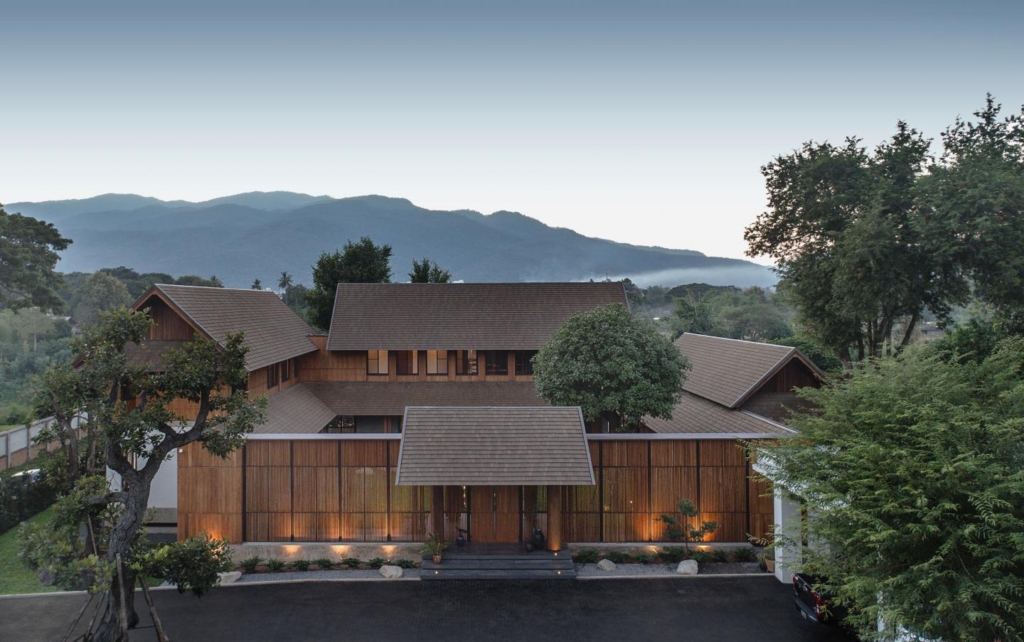
A Gen-house often uses environmentally friendly building materials.
Examples include:
- Recycled steel
- Bamboo flooring
- Sustainable wood
- Eco-friendly concrete
Using sustainable materials helps protect natural resources while maintaining durability and quality.
Flexible Design in Genhouse
Another defining feature of Genhouse design is flexibility.
Modern homeowners require adaptable spaces that can serve multiple purposes.
For example:
- Home offices for remote work
- Multi-purpose rooms
- Expandable living areas
Flexible design ensures that a Genhouse can adapt to changing lifestyles.
Benefits of Living in a Genhouse
Living in a Genhouse offers several advantages compared to traditional housing.
Comfort and Convenience
Smart technology allows homeowners to control many aspects of their living environment with ease.
For example, lighting, temperature, and security systems can be adjusted through smartphones or voice commands.
Energy Savings
Because Genhouse systems focus on efficiency, homeowners can reduce energy consumption and utility costs.
Solar energy and smart thermostats help maintain comfortable temperatures while minimizing electricity use.
Environmental Sustainability
A Genhouse contributes to environmental protection by reducing carbon emissions and promoting sustainable living.
Eco-friendly materials and renewable energy sources play a major role in achieving this goal.
Increased Property Value
Homes designed with modern technology and sustainability features often have higher market value.
Buyers increasingly prefer properties that include smart home features and energy-efficient systems.
As a result, investing in a Genhouse may provide long-term financial benefits.
Genhouse and Smart Home Technology
Smart home technology is central to the Genhouse concept.
Companies such as Google and Amazon have developed smart systems that integrate seamlessly with modern homes.
Examples include:
- Voice-controlled assistants
- Smart security cameras
- Intelligent climate control systems
- Smart kitchen appliances
These technologies create a connected environment where devices communicate with each other to optimize efficiency.
Genhouse and Sustainable Living
Sustainability is another key element of the Genhouse philosophy.
Modern housing must address environmental challenges such as climate change and resource depletion.
A Genhouse supports sustainable living through:
- Renewable energy sources
- Water conservation systems
- Green roofs and gardens
- Efficient waste management
These features help reduce the environmental footprint of modern homes.
Genhouse Design Trends
Architects and designers continue to develop new ideas that improve Genhouse designs.
Some of the most popular trends include:
Open Floor Plans
Open layouts create spacious environments and improve natural lighting.
Indoor-Outdoor Integration
Modern homes often include patios, gardens, and outdoor living spaces connected to interior rooms.
Minimalist Architecture
Simple designs with clean lines create modern and elegant living environments.
Natural Lighting
Large windows and skylights allow sunlight to illuminate interior spaces, reducing the need for artificial lighting.
Challenges in Building a Genhouse
Although Genhouse offers many benefits, there are also challenges associated with building these modern homes.
Higher Initial Costs
Advanced technology and sustainable materials may increase construction costs.
However, these costs are often balanced by long-term savings in energy and maintenance.
Technology Integration
Installing and maintaining smart systems requires technical expertise.
Homeowners may need professional assistance to ensure that devices work correctly.
Security Concerns
Smart home devices connected to the internet may create cybersecurity risks.
Protecting personal data and networks is essential in a Genhouse environment.
The Future of Genhouse
The future of Genhouse is closely linked to technological innovation and environmental awareness.
New developments in artificial intelligence, automation, and renewable energy will continue improving smart homes.
Some future trends may include:
- AI-powered home management systems
- Fully automated kitchens
- Smart energy grids
- Self-monitoring maintenance systems
These advancements will make Genhouse living even more efficient and comfortable.
Genhouse and Urban Development
Urban planners are increasingly incorporating Genhouse concepts into modern city designs.
Smart neighborhoods may include:
- Shared renewable energy systems
- Smart transportation networks
- Green infrastructure
- Community-focused living spaces
These developments aim to create sustainable cities that support healthy lifestyles and environmental responsibility.
How to Create Your Own Genhouse
If you want to build or upgrade a home to match the Genhouse concept, several steps can help.
Install Smart Devices
Start with smart lighting, thermostats, and security systems.
Improve Energy Efficiency
Upgrade insulation, windows, and appliances to reduce energy consumption.
Use Sustainable Materials
Choose environmentally friendly materials for construction and renovation.
Focus on Flexible Spaces
Design rooms that can serve multiple purposes.
Conclusion
The concept of Gen-house represents the future of modern housing. By combining smart technology, sustainable design, and flexible architecture, these homes offer comfort, efficiency, and environmental responsibility.
As technology continues to evolve, the Gen-house model will become increasingly popular among homeowners, architects, and urban planners.
Whether through energy-efficient systems, smart home devices, or eco-friendly materials, a Gen-house reflects the next generation of living spaces designed for the needs of the modern world.
Investing in a Gen-house not only improves everyday life but also contributes to a more sustainable and technologically advanced future.
