
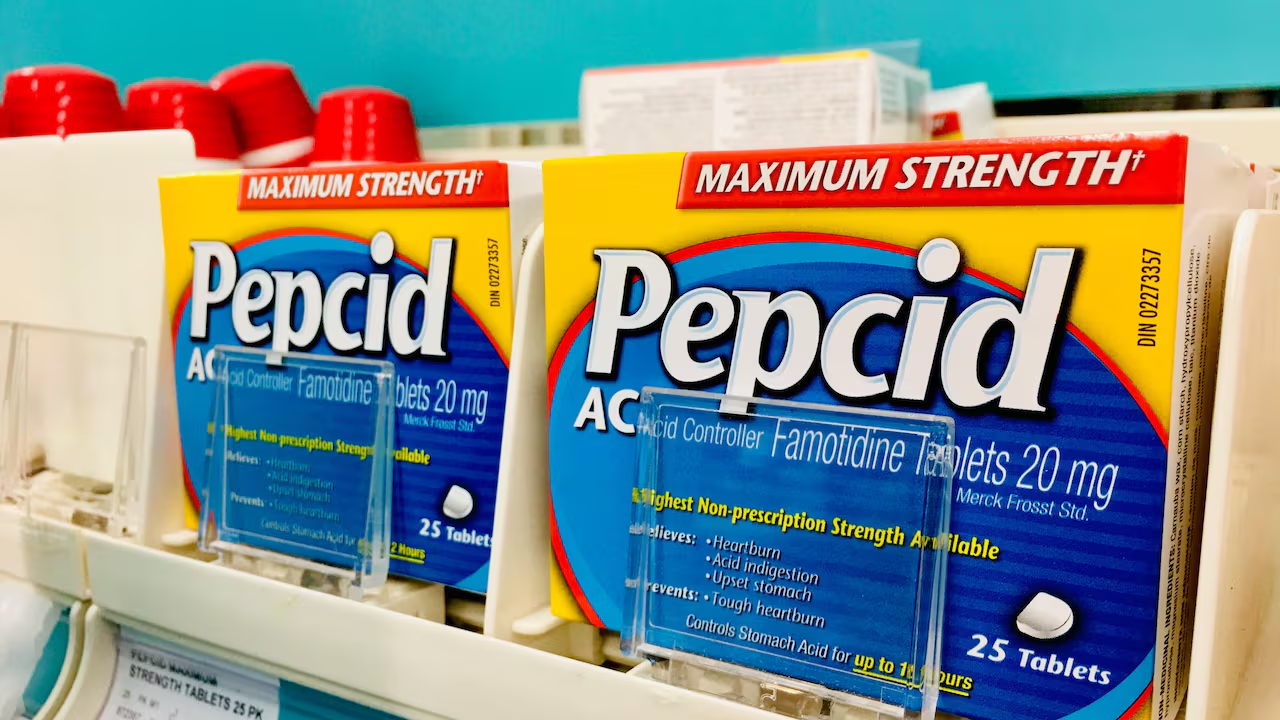

Introduction to Pepcid AC
Pepcid AC is a popular over-the-counter medication used to treat heartburn, acid indigestion, and stomach acid problems. Many people experience stomach discomfort after eating spicy or heavy meals, and Pepcid AC helps reduce that discomfort quickly.
The active ingredient in Pepcid AC is Famotidine, which belongs to a group of medicines known as H2 blockers. These medicines work by lowering the amount of acid produced in the stomach.
Doctors and pharmacists often recommend Pepcid AC for short-term relief of acid-related digestive issues. It can also help people who suffer from frequent heartburn, especially after certain foods or beverages.
In this detailed guide, you will learn everything about Pepcid AC, including how it works, its benefits, dosage, possible side effects, precautions, and frequently asked questions.
What Is Pepcid AC?
Pepcid AC is an antacid-type medication that reduces stomach acid production. It is widely used to relieve symptoms such as:
- Heartburn
- Acid reflux
- Sour stomach
- Acid indigestion
The medicine is manufactured by Johnson & Johnson and is available without a prescription in many countries.
Unlike regular antacids that neutralize acid already present in the stomach, Pepcid AC works differently. It blocks histamine receptors in the stomach, which reduces acid production before it starts.
Because of this action, Pepcid AC can provide longer relief compared to many traditional antacids.
How Pepcid AC Works in the Body
The stomach naturally produces acid to help digest food. However, too much stomach acid can irritate the lining of the stomach and esophagus.
The active ingredient Famotidine blocks histamine-2 receptors in the stomach lining. Histamine normally signals the stomach to produce acid.
When these receptors are blocked:
- Acid production decreases
- Stomach irritation reduces
- Heartburn symptoms improve
This is why Pepcid AC is considered an effective treatment for acid-related digestive problems.
Most people begin to feel relief within 30 to 60 minutes after taking the medication.
Common Uses of Pepcid AC
There are several medical and everyday uses of Pepcid AC. Doctors and pharmacists commonly recommend it for the following conditions
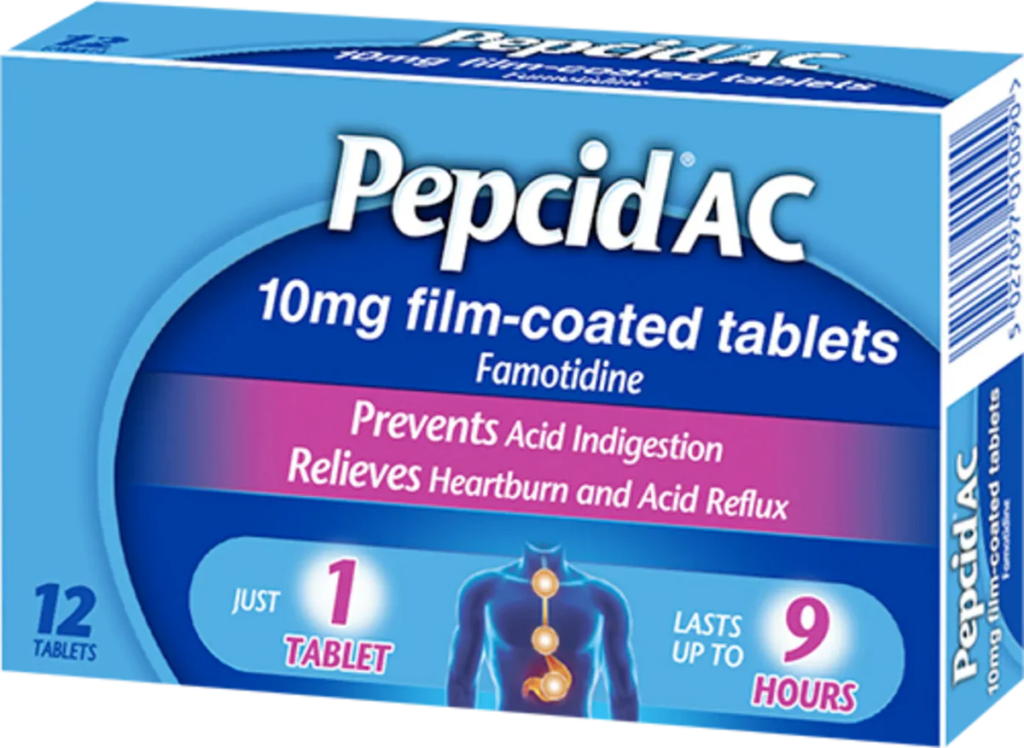
Pepcid AC for Heartburn Relief
Heartburn is a burning sensation in the chest caused by stomach acid moving up into the esophagus.
Taking Pepcid AC before eating spicy or fatty foods can help prevent heartburn. Many people use it as a preventive measure when they expect foods that trigger acid reflux.
Pepcid AC for Acid Indigestion
Acid indigestion can cause:
- Bloating
- Stomach discomfort
- Burning feeling in the stomach
Pepcid AC reduces acid production and helps calm the digestive system.
Pepcid AC for Gastroesophageal Reflux Disease (GERD)
Some doctors recommend Pepcid AC for mild cases of Gastroesophageal Reflux Disease.
GERD occurs when stomach acid frequently flows back into the esophagus, causing irritation and long-term discomfort.
Although stronger medications may be required for severe GERD, Pepcid AC can help manage mild symptoms.
Pepcid AC for Stomach Ulcers
Doctors sometimes prescribe Famotidine to treat or prevent ulcers in the stomach and small intestine.
By lowering stomach acid levels, the medicine helps ulcers heal more easily.
Different Types of Pepcid AC
There are several forms of Pepcid AC available on the market.
Pepcid AC Original Strength
This version typically contains 10 mg of famotidine and is designed for occasional heartburn relief.
Pepcid AC Maximum Strength
This version contains 20 mg of famotidine and is often used for stronger or more persistent heartburn symptoms.
Pepcid Complete
Another variation is Pepcid Complete, which combines famotidine with fast-acting antacids like calcium carbonate.
This combination provides both immediate and longer-lasting relief.
Recommended Dosage of Pepcid AC
The correct dosage of Pepcid AC depends on the severity of symptoms and the product version.
Typical guidelines include:
- Adults and children over 12 years: 10–20 mg once or twice daily
- Take the medication 15–60 minutes before eating to prevent heartburn
- Do not exceed 40 mg per day unless directed by a doctor
Always follow the instructions on the product label or your healthcare provider’s advice.
People who take Pepcid AC regularly for more than two weeks should consult a doctor.
Benefits of Using Pepcid AC
Many people prefer Pepcid-AC because it offers several benefits compared to traditional antacids.
Long-Lasting Relief
Unlike quick antacids that work for a short time, Pepcid-AC can provide relief for up to 12 hours.
Prevents Heartburn Before It Starts
Taking Pepcid-AC before eating trigger foods can help stop heartburn before it occurs.
Easy to Use
The tablets are small, easy to swallow, and available without a prescription.
Fewer Drug Interactions
Compared to some acid-reducing medications, Pepcid-AC generally has fewer interactions with other drugs.
Possible Side Effects of Pepcid-AC
Although Pepcid-AC is considered safe for most people, it may cause some side effects.
Common side effects include:
- Headache
- Dizziness
- Constipation
- Diarrhea
These symptoms are usually mild and temporary.
However, in rare cases, serious side effects may occur, such as:
- Severe allergic reaction
- Irregular heartbeat
- Confusion in elderly patients
If any unusual symptoms appear after taking Pepcid-AC, medical attention should be sought immediately.
Who Should Avoid Pepcid-AC?
Not everyone should take Pepcid-AC without medical advice.
People who should consult a doctor before using it include:
- Pregnant or breastfeeding women
- Individuals with kidney disease
- People taking other prescription medications
- Those with chronic digestive disorders
A doctor can determine whether Pepcid-AC is safe for your specific condition.
Pepcid-AC vs Other Heartburn Medications
Many medications treat heartburn and acid reflux. However, Pepcid-AC works differently from some common alternatives.
For example, Omeprazole belongs to a group called proton pump inhibitors (PPIs).
PPIs reduce stomach acid more strongly but may take longer to work.
On the other hand, Pepcid-AC offers faster relief and is often used for occasional heartburn.
Another comparison is with Ranitidine, which was once a common acid reducer. However, ranitidine has been removed from many markets due to safety concerns.
As a result, Pepcid-AC has become one of the most widely used H2 blockers.
Tips for Better Results When Using Pepcid-AC
To maximize the benefits of Pepcid-AC, consider these helpful tips.
Avoid Trigger Foods
Certain foods can worsen heartburn, including:
- Spicy dishes
- Fried foods
- Chocolate
- Coffee
- Carbonated drinks
Reducing these foods can improve results.
Eat Smaller Meals
Large meals increase pressure on the stomach and may trigger acid reflux.
Do Not Lie Down Immediately After Eating
Waiting at least 2–3 hours before lying down can reduce reflux symptoms.
Maintain a Healthy Weight
Excess weight can increase pressure on the stomach, worsening acid reflux.
Frequently Asked Questions About Pepcid-AC
How Fast Does Pepcid-AC Work?
Most people begin to feel relief within 30–60 minutes after taking Pepcid-AC.
How Long Does Pepcid-AC Last?
The medication can provide relief for up to 12 hours, depending on the dosage.
Can Pepcid-AC Be Taken Daily?
Yes, but it should not be used for more than 14 days continuously without consulting a doctor.
Is Pepcid-AC Safe?
For most healthy adults, Pepcid-AC is considered safe when taken as directed.
Conclusion
Pepcid-AC is a reliable and widely used medication for treating heartburn, acid indigestion, and stomach acid problems. Its active ingredient Famotidine works by reducing acid production in the stomach, providing long-lasting relief.
Many people rely on Pepcid-AC for quick and effective control of digestive discomfort. When used correctly and combined with healthy lifestyle habits, it can significantly improve digestive health and quality of life.
