


Introduction
The word sent is one of the most frequently used terms in the English language, especially in modern communication. Whether you are sending an email, a text message, a package, or even an important document, the word “sent” plays a vital role in expressing completed actions. Despite its simplicity, many people use the term daily without fully understanding its grammatical significance, practical applications, and influence on communication.
In today’s digital world, where messages travel across continents in seconds, the concept of something being “sent” has become more important than ever. From personal conversations to professional correspondence, the word helps indicate that information or objects have successfully moved from one place or person to another. Understanding the meaning and correct usage of “sent” can improve communication skills, writing quality, and overall language proficiency.
Understanding the Meaning of Sent
The word sent is the past tense and past participle form of the verb “send.” It is used to describe an action that has already been completed. Whenever someone transfers a message, object, or information and the action is finished, the word “sent” becomes appropriate.
For example, if you write an email and click the send button, you can later say, “I sent the email yesterday.” This indicates that the action of sending has already taken place. The word is essential because it clearly communicates completion, making conversations and written communication more precise.

The origin of “sent” comes from the Old English verb “sendan,” which means to dispatch, transmit, or cause something to go from one place to another. Over centuries, the language evolved, but the fundamental meaning remained largely unchanged. Today, “sent” continues to serve as an important part of English grammar and communication.
In both formal and informal settings, “sent” helps establish timelines and clarify actions. Whether discussing business transactions, personal correspondence, or digital communication, the word provides immediate context about what has already occurred.
The Role of Sent in Everyday Communication
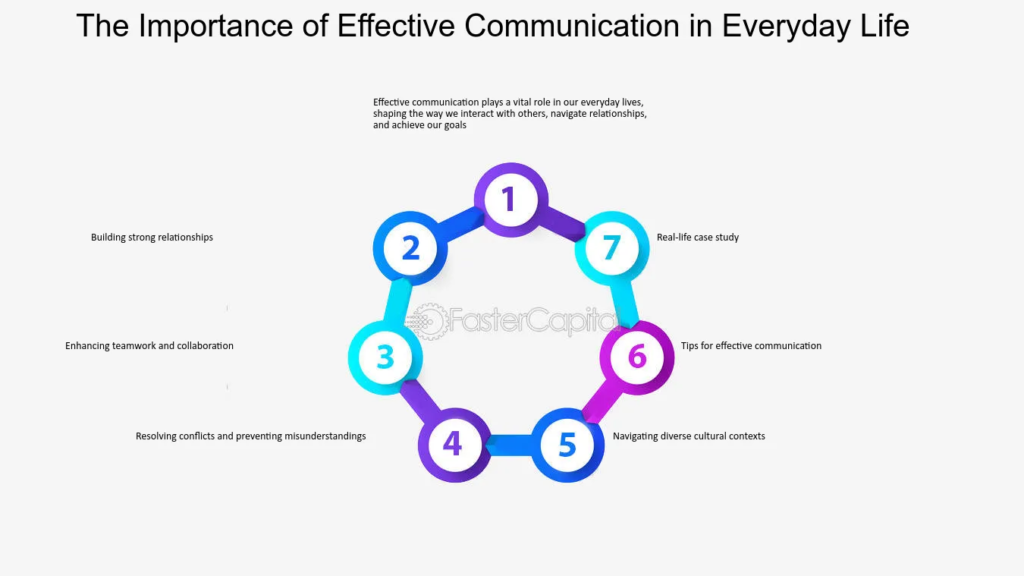
Communication relies heavily on clear and accurate language, and “sent” is a critical component of that process. Every day, billions of messages are sent through emails, messaging applications, social media platforms, and traditional mail systems. The term helps users confirm that communication has taken place successfully.
In personal conversations, people often use “sent” to reassure others. For instance, someone might say, “I sent you the photos last night,” indicating that the requested action has already been completed. This simple statement eliminates confusion and establishes accountability.
Professional environments also depend on the accurate use of the word. Employees regularly communicate through emails and reports. When a manager asks whether a document has been delivered, a response such as “The report was sent this morning” provides clear confirmation and reduces misunderstandings.
The rise of digital technology has increased the visibility of the word “sent.” Messaging applications often display statuses such as “sent,” “delivered,” and “read.” These indicators help users track communication progress and ensure information reaches its intended recipient.
Because communication is the foundation of personal and professional relationships, understanding how and when to use “sent” correctly contributes significantly to effective interaction.
Common Examples and Usage of Sent
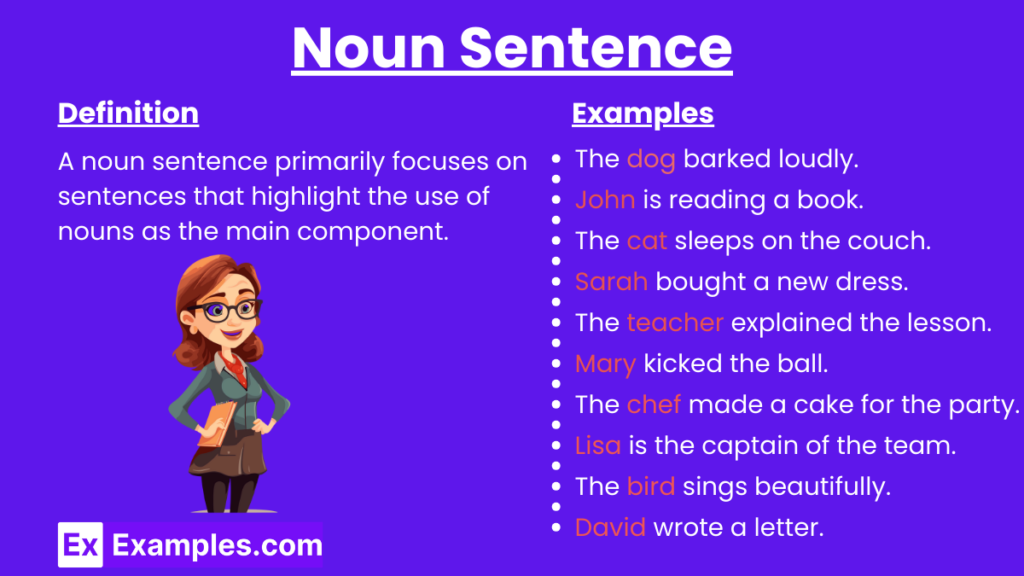
One of the best ways to understand “sent” is through practical examples. The word appears in numerous situations and contexts, making it highly versatile. Regardless of whether communication is verbal, written, or digital, “sent” remains a common expression.
Consider the sentence, “She sent a birthday card to her grandmother.” In this example, the action was completed in the past. The card was successfully dispatched, and the sentence communicates that fact clearly. Similarly, “They sent the package last week” confirms that the shipment process has already occurred.
In digital communication, examples are even more common. Statements such as “I sent the file,” “He sent a message,” and “We sent the invitation” appear frequently in daily conversations. These examples demonstrate how the word functions across various communication methods.
The word can also be used in passive voice constructions. For example, “The email was sent yesterday” shifts focus from the sender to the action itself. This structure is common in formal business communication where emphasizing the action is more important than identifying the individual who performed it.
Understanding these examples helps learners recognize patterns and apply the word correctly in their own writing and speech. Consistent practice ensures accurate usage and strengthens overall language skills.
Sent in the Digital Age
The digital revolution has transformed the way people interact, making the concept of “sent” more relevant than ever before. Every second, countless emails, messages, files, and notifications are sent across networks worldwide. As technology evolves, the importance of understanding communication terminology continues to grow.
Most modern communication platforms provide status updates that include the word “sent.” For example, when using messaging applications, users often see indicators confirming that their message has been sent. This reassurance helps prevent uncertainty and allows people to trust digital communication systems.
Email platforms also rely heavily on the concept. After pressing the send button, users receive confirmation that their message has been sent successfully. Businesses depend on these systems for customer service, project management, and internal collaboration.
Social media has further expanded the usage of the word. Direct messages, shared content, and invitations are constantly being sent between users. The ability to send information instantly has reshaped global communication, making geographical boundaries less significant.
In addition to convenience, the digital use of “sent” has created expectations for speed and efficiency. People now assume that information sent electronically will arrive almost immediately. This shift highlights how a simple word has become deeply connected to modern technological culture.
Why Understanding Sent Matters

Although “sent” may appear to be a basic word, understanding its meaning and usage provides several benefits. First, it improves grammatical accuracy. Correct verb tense usage is essential for effective communication, and mastering words like “sent” helps individuals express themselves more clearly.
Second, understanding “sent” enhances professional communication. Employers value clear writing and precise language. Whether drafting emails, preparing reports, or corresponding with clients, proper use of the word contributes to a professional image.
Third, the word supports accountability and organization. When people state that something was sent, they create a record of completed actions. This is particularly important in business, education, and project management environments where tracking communication is essential.
The word also plays a role in building trust. If someone consistently communicates when documents, messages, or requests have been sent, others gain confidence in their reliability. Effective communication strengthens relationships and improves collaboration.
Finally, understanding “sent” helps learners develop stronger language skills. By recognizing how the word functions grammatically and contextually, individuals can improve both spoken and written English. Even a simple word can have a significant impact on communication effectiveness.
Conclusion
The word sent is far more significant than it may initially appear. As the past tense of “send,” it serves as a vital tool for expressing completed actions in personal, professional, and digital communication. From emails and text messages to packages and important documents, the term helps clarify that something has already been transferred or delivered.
In today’s fast-paced digital environment, the relevance of “sent” continues to grow. It supports clarity, accountability, and efficiency while helping individuals communicate more effectively. Understanding its meaning, grammatical role, and practical applications enables better communication and stronger language skills.
Whether you are writing an email, sending a message, or discussing a completed task, the word “sent” remains an essential part of everyday English. Mastering its use can contribute to more accurate, professional, and confident communication.
Frequently Asked Questions (FAQs)
1. What does the word “sent” mean?
“Sent” is the past tense and past participle form of the verb “send,” meaning something has already been dispatched or transmitted.
2. Is “sent” a verb?
Yes, “sent” is a verb form used to indicate a completed sending action.
3. What is the present tense of “sent”?
The present tense is “send.”
4. Can “sent” be used in formal writing?
Yes, “sent” is commonly used in professional emails, reports, and business communication.
5. What is an example sentence using “sent”?
A simple example is: “I sent the documents yesterday.”
6. Is “sent” commonly used in digital communication?
Yes, messaging apps, emails, and social media platforms frequently use the term “sent.”
7. What is the difference between “sent” and “send”?
“Send” refers to a present or future action, while “sent” refers to a completed past action.
8. Why do messaging apps display “sent”?
The status confirms that a message has successfully left the sender’s device and entered the communication system.
9. Can “sent” be used in passive voice?
Yes. For example: “The package was sent last week.”
10. Why is understanding “sent” important?
Understanding “sent” improves grammar, communication clarity, professional writing, and overall English language proficiency.
